

Ever thought to yourself, ‘My dog is constantly scratching and biting himself’? Well, you’re not alone. Dog allergies are one of the most common reasons that pets need to see a vet in the UK. So what is the best dog food for allergies in the UK?
This post may contain affiliate links: Read more here.
What makes dogs itchy?

What could the cause be? You have to turn into Sherlock Holmes to uncover the exact reason behind your dog’s constant scratching, with lots of factors like diet, environment, and parasites to consider.
Why is my dog constantly scratching their ear?
If your dog is scratching their ear, harvest or ear mites are a pretty good bet. These small brown lumps can be hard to spot if they’re deep in the ear canal, but larger infestations can leave brown discharge on the outer ear – a vet can use an otoscope to get a better look.Why is my dog scratching or biting its behind?
You’ve always got to be on the lookout for pesky fleas and ticks too! These uninvited guests can be a real pain for dogs so need to be removed immediately, either with over-the-counter medicine or with a trip to your local vet.
Why is my dog itchy all the time?
If you’ve ruled out parasites, it’s time to look at environmental factors, also known as canine atopy or atopic dermatitis.
Is the dog itching a certain place over and over? Or are you asking yourself ‘why do dogs scratch the carpet?’ It’s most likely a contact allergy with a certain cleaning product or even a natural substance like dust or grass.
You can read more about the causes of dog itching here, or if you want to head straight to the solutions, then carry on below.

Food allergy symptoms in dogs
If a dog is constantly scratching all over it could be related to a food allergy. Dogs are different to humans, a dog food allergy is usually to a specific protein (chicken, beef, lamb) rather than wheat or other foods. Although dairy can be a common issue for dogs too.
Finding the best dog food for allergies could significantly reduce or even stop a dog from itching all the time. Spending a little extra on quality ingredients and cutting out the fillers can make a big difference in your dogs overall health.
Learn what human foods your dog should avoid here or read our full guide to nutrition for Jack Russells.
What supplements can I give my dog for skin allergies?
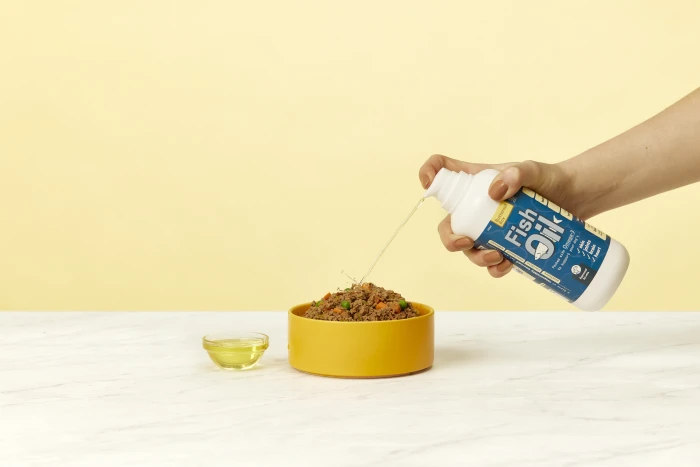
There is a wealth of dog skin itch supplements available to buy, but it can be a little overwhelming trying to choose the right one.
Ultimately, in my opinion, it is better to choose a specific dog food for food allergies that has all of the necessary ingredients rather than spending lots of time and money on various brands of additional dog supplements.
What ingredients to look for when choosing the best dog food for allergies
– Fish oils Long-chain omega-3 fatty acids from fish oil and other marine sources are well studied and show significant benefits to skin and coat health.
– Zinc A product containing zinc, omega-3 and biotin product was compared to an omega-3 & biotin product (control) in canine atopic dermatitis. 63% of dogs supplemented with the zinc product presented with less itching and a reduction of medication for 4 weeks compared to 37% of dogs receiving omega-3 & biotin alone. Canine zinc-responsive dermatosis is a well-documented skin disorder of Alaskan Malamutes and Siberian Huskies.
– Selenium increases the health of the skin, potentially reducing dandruff and dry skin. It plays an important role in hair growth. A 2006 study demonstrated that low selenium in diet reduced hair growth in adult dogs.
– Biotin Essential for keratin formation, supporting growth of hair, skin and particularly, nails which may be brittle, weak and prone to breaking.
Information provided by Vet Clara Clarke, in collaboration with Butternut Box.
What is the best dog food for allergies?
Some poorer quality or cheap dog food can have substandard ingredients or fillers that aren’t important for a dog and food allergies can arise. They can also cause issues with digestion and cause poor toilet habits.
Spending a little more in the short term and finding the best dog food for dogs with food allergies can have much better outcomes long term and save costly vet bills.
Our Reccomendation – Best Dog Food For Allergies
Butternut Box is a UK-based start-up, founded by two friends. They started the company after seeing the benefits that home-cooked food had on Dave’s poorly rescue dog, Rudie.

All Butternut Box meals are grain-free and free from most known allergens, making them perfect for dogs with sensitive stomachs.
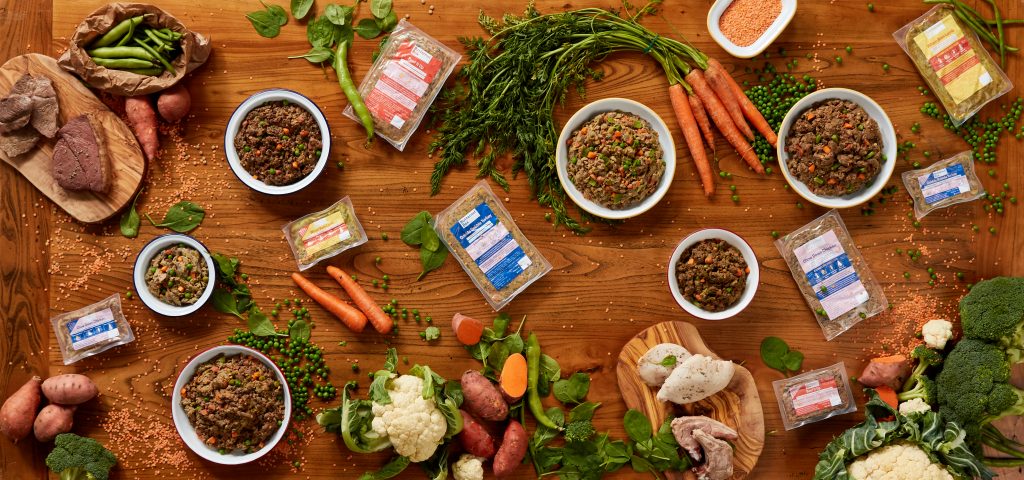
The meals are made using 60% meat, 40% veg, lentils & minerals, and 0% nasties, which means they are highly digestible for adult dogs and puppies.
Each meal is perfectly portioned for your dog’s needs. No need to worry if you’re giving them enough.
The meals are all gently cooked – which kills the bad bacteria without losing any of the good stuff, making it the best dog food for allergies.

We love it so much we’ve partnered up with Butternut Box to get you a whopping 50% off your first box, then another 50% off your second box!
And there’s no obligation to stay if your pup doesn’t love it.
Read our full Butternut Box review here.
Rated 4.9 on Trustpilot
Five top tips for dealing with dogs’ itching
- Wash your dog after any contact with pollen, salt (ie, swimming in the sea), or any other common allergens.
- Give them an oat bath to calm irritated skin when it looks inflamed.
- Use a topical treatment for flare-ups such as Isaderm from Pet Drugs Online. The gel contains betamethasone, a corticosteroid and anti-inflammatory, and fusidic acid which is an antibiotic.
- Use antihistamines in the short term to reduce itching (dogs can have some human antihistamines but always consult your vet for the right amount).
- In the long term, opt for a dog food for food allergies, like Butternut Box (Get 50% off your first box here).
So with all this in mind what is the best thing to give dogs for skin allergies?
If we had to pick just one product to stop a dog itching all of the time, it would be investing in the best dog food for allergies. That’s because it’s treating the cause rather than just treating the symptoms and will hopefully lead to a much happier, healthier life for your pup!